Olivia Wolf · 26 September 2026
Charting Unseen Connections in User Behavior Across Digital Platforms Using Sequence Analysis Methods
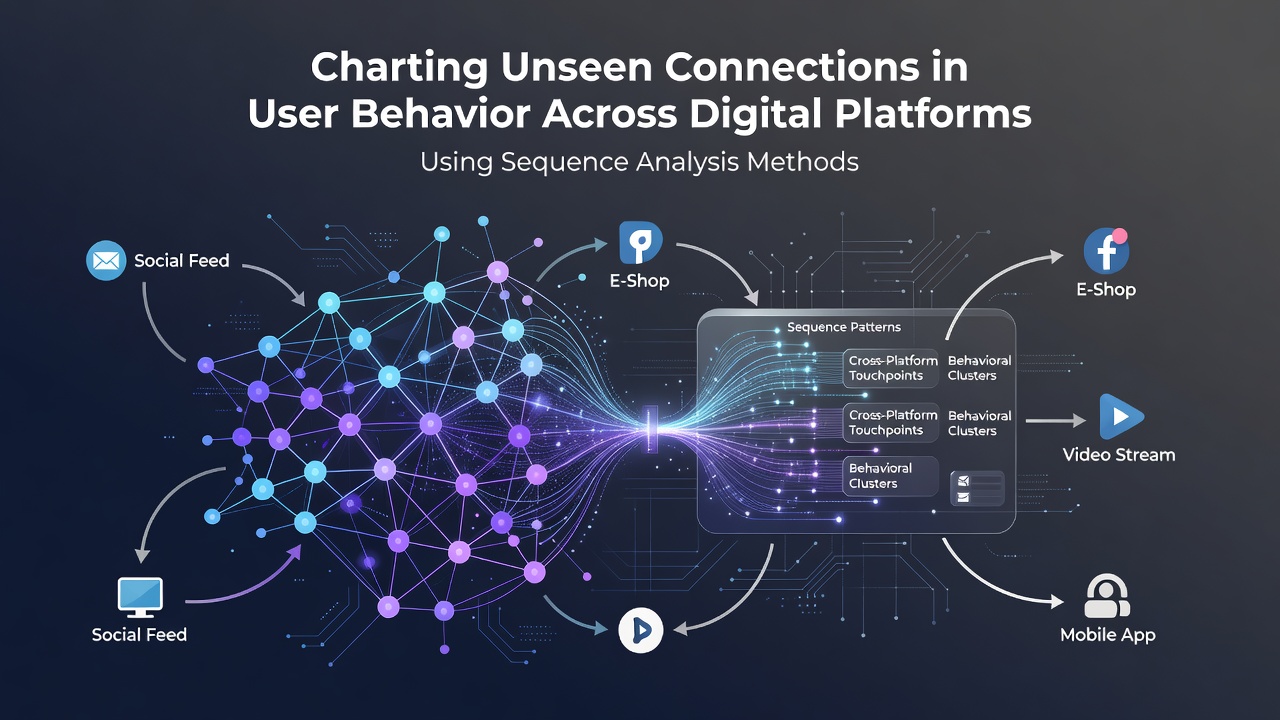
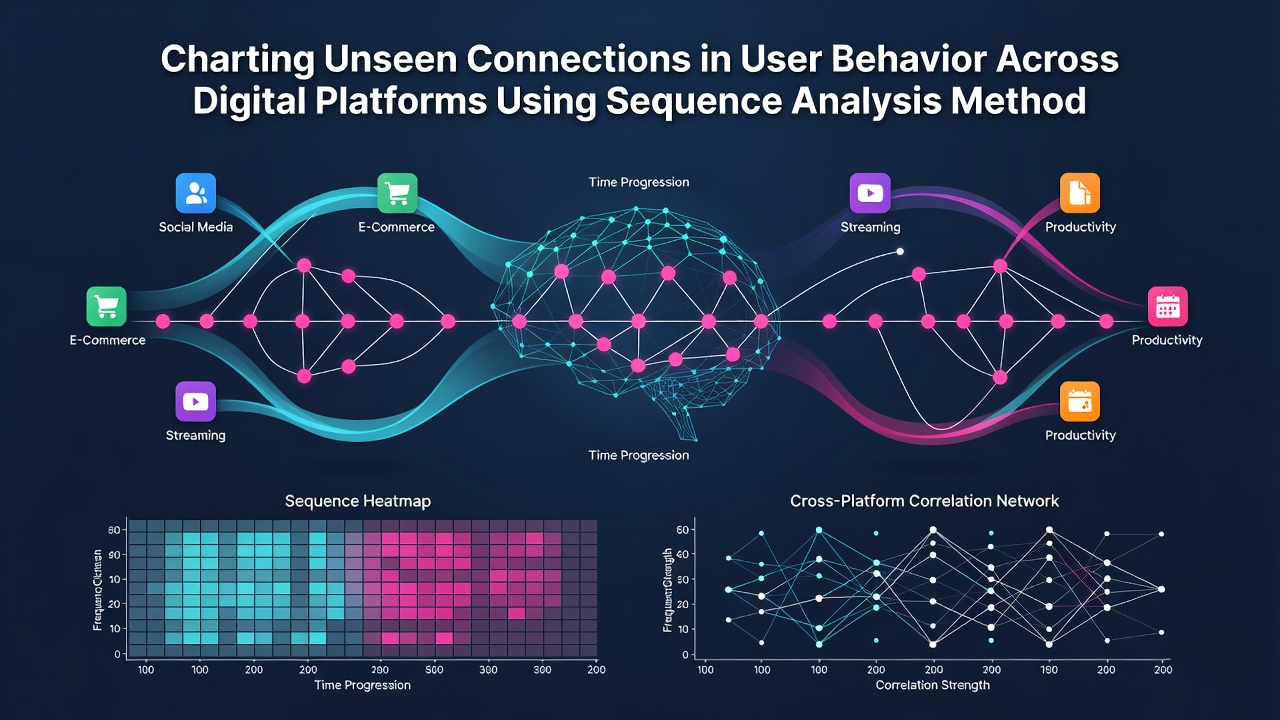
Sequence analysis methods provide structured ways to examine ordered events in user interactions with digital platforms where each action forms part of a larger chain that connects across websites, mobile applications, and social networks. Researchers collect timestamped logs of clicks, scrolls, searches, and purchases then apply algorithms to detect recurring patterns while accounting for variations in timing and context. These techniques include Markov models that calculate transition probabilities between states, sequential pattern mining that identifies frequent subsequences, and alignment methods borrowed from bioinformatics to compare entire user journeys side by side.
Core Techniques in Sequence Analysis
Data scientists build hidden Markov models when they need to infer unobserved states such as intent or engagement level from visible actions like page views and button taps, and they train these models on large datasets gathered from multiple platforms simultaneously. Transition matrices reveal how often users move from viewing product details on a retail site to posting about the item on social media, and researchers adjust for platform-specific differences in interface design that might otherwise distort the results. Alignment algorithms compare two sequences by inserting gaps where necessary so that similar actions line up, which helps analysts measure similarity between a beginner user journey and an expert one across different devices.
Cross-Platform Data Integration
Integration starts with user identifiers that persist across sessions, such as hashed email addresses or device fingerprints, though privacy regulations in various regions require anonymization before analysis begins. In September 2026 several European data protection authorities released updated guidelines on cross-border data flows that affect how sequence datasets can be combined from North American and Asian platforms. Analysts merge these streams into unified timelines that show when a user switches from a desktop browser to a smartphone app within the same purchase funnel, and they apply clustering to group similar sequences together for further examination.
Practical Applications and Findings
Marketing teams use discovered sequences to optimize campaign timing, placing follow-up messages at the exact points where users historically move from awareness to consideration stages. One study released by Stanford University researchers in early 2026 examined retail and social media logs from over 2 million anonymized accounts and found that sequences containing video views followed by cart additions converted at rates nearly twice as high as sequences without the video step. Government statistical agencies such as Statistics Canada have begun publishing aggregate reports on digital service usage that rely on sequence metrics to describe how citizens navigate government portals and third-party identity providers in single sessions. Industry groups including the Interactive Advertising Bureau have issued technical papers that recommend sequence-based metrics alongside traditional click-through rates because the former capture longer-term engagement patterns that single events miss.
Challenges in Implementation
Noise from bots and automated scripts requires filtering steps before sequence mining begins, while missing data from users who clear cookies creates gaps that algorithms must handle through imputation or exclusion rules. Computational demands grow quickly with dataset size, leading teams to adopt distributed processing frameworks that split long sequences across multiple servers. Ethical considerations arise when sequence analysis identifies sensitive life events such as health-related searches followed by insurance quote requests, prompting organizations to adopt stricter access controls and aggregation thresholds before sharing results.
Recent Developments as of September 2026
Academic conferences held that month featured new open-source libraries that combine sequence alignment with graph neural networks, allowing models to incorporate both order and relational context such as shared accounts or device handoffs. Reports from the Australian Bureau of Statistics highlighted how sequence metrics improved forecasts of digital service adoption in regional areas where users alternate between mobile data and public Wi-Fi connections. These advances build on earlier work yet address scale and privacy constraints that older methods could not manage effectively.
Conclusion
Sequence analysis methods continue to expand the range of detectable patterns in multi-platform user behavior by focusing on order, timing, and transitions rather than isolated events. Organizations that integrate these approaches with appropriate privacy safeguards gain clearer pictures of how users move through digital ecosystems, while ongoing regulatory updates shape the technical boundaries within which such analysis operates.