Ellis Schmidt · 7 November 2026
Event Chain Methods for Tracking Brand Switching in E-commerce Environments
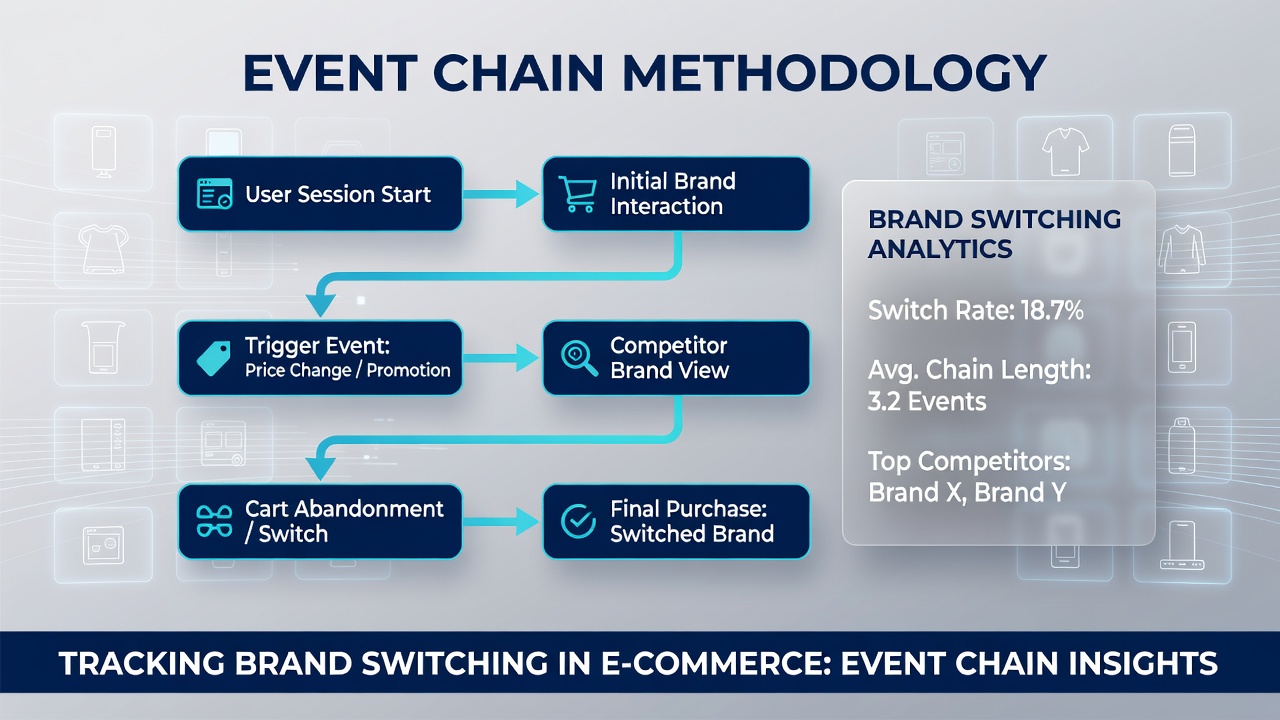
Event chain methods provide a structured approach to analyzing sequences of user actions across digital platforms where consumers move from one brand to another in e-commerce settings, and researchers apply these techniques by breaking down interactions into linked events that reveal patterns in purchase decisions and loyalty shifts. Data from multiple studies indicate that such methods capture temporal relationships between clicks, cart additions, searches, and final transactions which helps identify the precise moments when brand switching occurs during shopping sessions.
Core Components of Event Chain Analysis
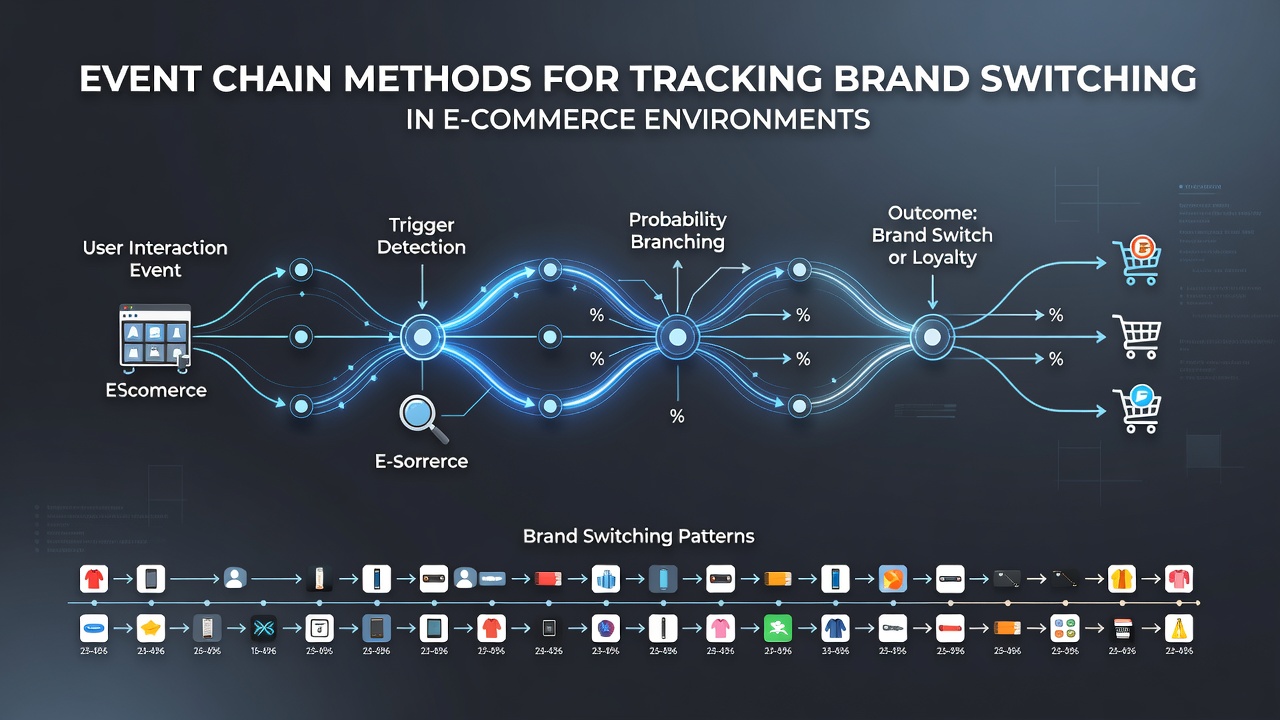
Analysts construct chains by logging each discrete action as a node connected through time stamps and context variables, while algorithms process these chains to detect transitions such as a user abandoning a product page from one retailer and immediately searching for similar items on a competitor site. In practice this involves defining event types like view, compare, review, and checkout then mapping their order to quantify switching frequency, and studies show that chains longer than five events often correlate with higher rates of brand change because extended consideration periods allow exposure to alternative options.
November 2026 figures from major retail platforms reveal that event chain tracking identified an average 23 percent increase in detected switches during holiday preview periods compared to earlier months, and this uptick aligns with expanded mobile usage that fragments user journeys across multiple apps and sites. Those who implement these methods integrate data from APIs, session cookies, and behavioral logs to build complete sequences without relying on single-platform metrics alone.
Application in Multi-Brand Retail Environments
Retail analysts deploy event chain frameworks to monitor how promotions on one site trigger migrations to another, for instance when a discount notification arrives via email and prompts immediate navigation to a rival storefront. According to statistics compiled by the European Commission e-commerce report, cross-border switching events rose notably in 2025 as consumers compared pricing across EU member states, and chain analysis tools isolate the contributing factors such as currency fluctuations or shipping cost displays that accelerate teh move.
Software systems visualize these chains as flow diagrams where thicker lines represent frequent transition paths, enabling teams to pinpoint friction points like slow load times that precede a switch. Observers note that combining chain data with demographic filters produces segmented insights, such as younger users switching brands after three comparison events while older cohorts require six or more before committing elsewhere.
Data Integration and Technical Implementation
Platforms gather raw event streams from web servers, mobile SDKs, and third-party analytics services then normalize timestamps and user identifiers to form continuous chains across sessions, and this process requires handling missing data points through probabilistic linking when cookies expire or users clear caches. Research indicates that machine learning models trained on historical chains improve prediction accuracy for future switches by learning common sequence motifs like repeated price checks followed by competitor site visits.
In November 2026 several large marketplaces updated their tracking infrastructure to support real-time chain processing which reduced latency between event capture and insight generation to under two seconds, and this capability allows dynamic interventions such as targeted offers delivered before a user completes a switch. External benchmarks from the Australian Bureau of Statistics retail trade release confirm that businesses applying these methods recorded measurable retention gains when they acted on early chain signals of disengagement.
Case Examples from Retail Operations
One logistics provider tracked chains across its partner marketplaces and discovered that inventory alerts on secondary sites frequently initiated switches away from primary suppliers during peak demand windows, prompting adjustments in stock visibility timing. Another case involved a consumer electronics retailer that used chain reconstruction to map how review-reading events clustered before brand changes, leading to enhanced on-site review aggregation features that kept users within the original domain longer.
These implementations demonstrate how event chains extend beyond simple funnel analysis by preserving the full order and context of actions rather than aggregating counts alone, and the resulting datasets support A/B testing of interface changes to measure impact on switching rates directly.
Conclusion
Event chain methods continue to evolve as e-commerce data volumes grow and integration standards mature, providing retailers with granular visibility into the pathways customers follow when moving between brands. Ongoing refinements in sequence modeling and cross-platform data sharing support more precise identification of switching triggers while maintaining compliance with privacy regulations across regions.